“[T]o preserve the republican form and principles of our Constitution and cleave to the salutary distribution of powers which that [the Constitution] has established . . . are the two sheet anchors of our Union. If driven from either, we shall be in danger of foundering.”
Quote by Thomas Jefferson
Work
Memoir, correspondence, and miscellanies from the papers of T. Jefferson
Memoir, correspondence, and miscellanies from the papers of T. Jefferson is a collection of documents that provide a comprehensive view of the personal and professional life of Thomas Jefferson. The volume includes his correspondence, personal reflections, and various other writings, shedding light on his political beliefs, scientific pursuits, and personal experiences. more
Author
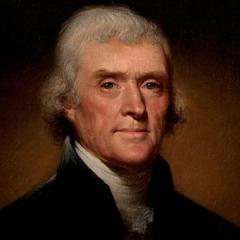
Thomas Jefferson
Thomas Jefferson was the third President of the United States, a distinguished politician, philosopher, architect, and scientist. He was born on April 13, 1743, and died on July 4, 1826. Jefferson advocated for democracy and freedom in politics and was one of the main authors of the Declaration of Independence. His political ideas had a profound impact on the founding and development of the United States. more
You May Also Like
Source: The Papers of Thomas Jefferson, Volume 29: 1 March 1796 to 31 December 1797
Source: The Federalist, on the New Constitution, Written in 1788
Source: Memoirs, 4: Correspondence and Private Papers
Source: Selected Writings of James Madison
Source: The Federalist, on the New Constitution, Written in the Year 1788
Source: The Federalist on the New Constitution
Source: The Writings of George Washington: Being His Correspondence, Addresses, Messages, and Other Papers, Official and Private
Source: The Fœderalist: A Collection of Essays, Written in Favor of the New Constitution, as Agreed Upon by the Fœderal Convention, September 17, 1787. Reprinted from the Original Text. With an Historical Introduction and Notes
Source: The Federalist on the New Constitution