“In the anarchist milieu, communism, individualism, collectivism, mutualism and all the intermediate and eclectic programmes are simply the ways considered best for achieving freedom and solidarity in economic life; the ways believed to correspond more closely with justice and freedom for the distribution of the means of production and the products of labour among men. Bakunin was an anarchist, and he was a collectivist, an outspoken enemy of communism because he saw in it the negation of freedom and, therefore, of human dignity.”
Quote by Errico Malatesta
Work
Life and Ideas: The Anarchist Writings of Errico Malatesta
This book compiles a selection of Errico Malatesta's writings, which delve into the principles and philosophy of anarchism. It includes his thoughts on social organization, revolution, and the role of the individual in a stateless society. more
Author
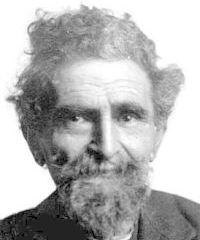
Errico Malatesta
Errico Malatesta was an Italian anarchist philosopher, writer, and activist. Born on December 14, 1853, in Recanati, Italy, he was a prominent figure in the anarchist movement. His work focused on the principles of anarchism, advocating for a society without authority and state. Malatesta was a key figure in the development of anarchist theory and practice, influencing many later anarchists. He passed away on July 22, 1932. more
You May Also Like
“I see it is impossible for the King to have things done as cheap as other men.”
“My wife, who, poor wretch, is troubled with her lonely life.”
Source: The Diary of Samuel Pepys: Companion
Source: Diary and correspondance of Samuel Pepys, F.R.S.,secretary to the admiralty in the Reigns of Charles II and James II