“I opened myself to you only to be skinned alive. The more vulnerable I became, the faster and more deft your knife. Knowing what was happening, still I stayed and let you carve more. That's how much I loved you. That's how much.”
Quote by Rabih Alameddine
Work
I, The Divine: A Novel in First Chapters
In 'I, The Divine: A Novel in First Chapters,' the reader is introduced to a narrative that intertwines the profound with the personal. The opening sections of the novel present a unique perspective on the nature of divinity and its impact on human life. The story is crafted to provoke thought and engage the reader's imagination, with a focus on the intricate interplay between the divine and the human condition. more
Author
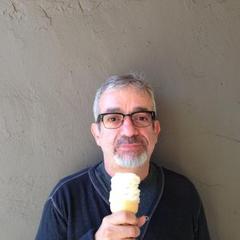
Rabih Alameddine
Rabih Alameddine is a Lebanese-American writer known for his poetic prose and exploration of Arab-American identity, LGBTQ+ themes, and Middle Eastern culture. Born in Beirut in 1959, he moved to the United States in 1990. His notable works include The Angel of History, An Unnecessary Woman, The Hakawati, and Koolaids. Alameddine's writing, characterized by lyrical language and innovative narrative techniques, has been nominated for numerous literary awards, making him one of the most significant contemporary Arab-American authors. more
You May Also Like
Source: Angels' Blood
Source: Question Your Thinking, Change the World
Source: Night Myst
Source: A Prayer for Owen Meany: A Novel
Source: Collected Writings