“For as the old saying is, When house and land are gone and spent Then learning is most excellent.”
Quote by Samuel Foote
Work
The Dramatic Works: Of Samuel Foote, Esq. To which is Prefixed a Life of the Author. In Two Volumes. ...
This book features a comprehensive collection of plays and other dramatic writings by the 18th-century English playwright Samuel Foote. It includes a detailed biography of Foote, providing insight into his life and career. The work is presented in two volumes, showcasing Foote's contributions to the theater during his time. more
Author
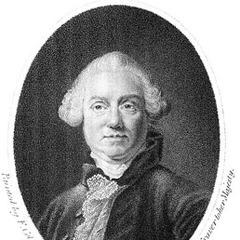
Samuel Foote
Samuel Foote was an English dramatist known for his satirical plays. Born on January 27, 1720, he was a prominent figure in the Restoration comedy era. Foote's work often criticized social norms and political figures, making him a controversial yet influential playwright. more
You May Also Like
Source: Public Papers of the Presidents of the United States: Lyndon B. Johnson, 1965
Source: A Library of Universal Literature in Four Parts, Comprising Science, Biography, Fiction and the Great Orations
Source: Public Papers of the Presidents of the United States: John F. Kennedy, 1961
Source: Public Papers of the Presidents of the United States: John F. Kennedy, 1962