“The clarification of our political ideas insensibly changes into and becomes indistinguishable from the history of political ideas.”
Quote by Leo Strauss
Work
What is Political Philosophy? And Other Studies
This volume brings together a series of studies that investigate the core questions and methods of political philosophy. The essays consider how political philosophy differs from political science, ideology, and historical inquiry, and they examine the works of key thinkers to illustrate the enduring problems and tensions within the field. The collection addresses topics such as the nature of justice, the role of the philosopher in society, and the challenges of applying philosophical principles to political life, offering a reflective analysis of the discipline's purpose and limits. more
Author
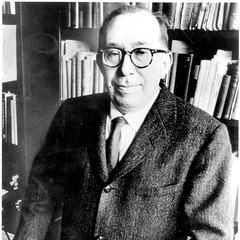
Leo Strauss
Leo Strauss was a prominent philosopher born on September 20, 1899, and died on October 18, 1973. His thoughts were deeply influenced by classical philosophy and German philosophy, especially by Martin Heidegger's philosophical ideas. Strauss's main contribution lies in his reinterpretation of political philosophy, emphasizing the close connection between political philosophy and moral philosophy. more
You May Also Like
Source: What is Political Philosophy? And Other Studies
“One must ask children and birds how cherries and strawberries taste.”
Source: Liberalism Ancient and Modern
“Life is too short to live with any but the greatest books.”
Source: Liberalism Ancient and Modern
Source: Liberalism Ancient and Modern
Source: Liberalism Ancient and Modern
Source: Liberalism Ancient and Modern
Source: An Introduction to Political Philosophy: Ten Essays
Source: Natural Right and History