“Israel today is bad for the Jews.”
Quote by Tony Judt
Work
When the Facts Change: Essays, 1995-2010
This book is a compilation of various essays covering a range of topics and ideas written by an author over a fifteen-year period. more
Author
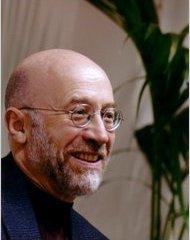
Tony Judt
Tony Judt was an accomplished historian renowned for his profound insights and critical analyses of 20th-century European history. His work covered a wide range of themes from the French Revolution to the end of the Cold War, with a particular focus on issues such as democracy, political freedom, and moral responsibility. more
You May Also Like
“We can count on so few people to go that hard way with us.”
Source: On Lies, Secrets, and Silence: Selected Prose 1966-1978
“I don’t think we can separate art from overall human dignity and hope.”
Source: Arts of the Possible: Essays and Conversations
Source: On Lies, Secrets, and Silence: Selected Prose 1966-1978
“In a world where language and naming are power, silence is oppression, is violence.”
Source: On Lies, Secrets, and Silence: Selected Prose 1966-1978
Source: Of woman born motherhood as experience and institution