“Who, I ask you, can take, dare take, on himself the rights, the duties, the responsibilities of another human soul?”
Quote by Elizabeth Cady Stanton
Work
The Elizabeth Cady Stanton-Susan B. Anthony reader: correspondence, writings, speeches
The Elizabeth Cady Stanton-Susan B. Anthony reader offers a comprehensive collection of the correspondence, writings, and speeches of Elizabeth Cady Stanton and Susan B. Anthony. It provides insight into their personal and professional lives, their advocacy for women's rights, and their contributions to the women's suffrage movement. more
Author
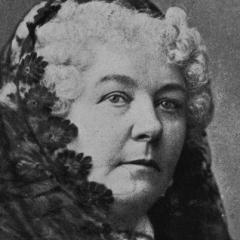
Elizabeth Cady Stanton
Elizabeth Cady Stanton, born on November 12, 1815, and died on October 26, 1902, was a pioneering American activist for women's rights. She was a key figure in the women's rights movement, known for her dedication to the fight for women's suffrage and gender equality. more
You May Also Like
Source: Elizabeth Cady Stanton: As Revealed in Her Letters & Diary (Abridged)
“The desire to please those we admire and respect often cripples conscience.”
Source: Elizabeth Cady Stanton as Revealed in Her Letters, Diary and Reminiscences
Source: The Woman's Bible
“A government is just only when the whole people share equally in its protection and advantages.”
Source: Elizabeth Cady Stanton as Revealed in Her Letters, Diary and Reminiscences