“I've seen pretty clear, ever since I was a young un, as religion's something else besides notions. It isn't notions sets people doing the right things--it's feelings. It's the same with the notions in religion as it is with math'matics--a man may be able to work problems straight off in's head as he sits by the fire and smokes his pipe; but if he has to make a machine or a building, he must have a will and a resolution, and love something else better than his own ease.”
Quote by George Eliot
Work
Four Novels of George Eliot
This compilation brings together four seminal works by George Eliot, showcasing her profound understanding of human nature and her intricate storytelling. The novels delve into themes of social reform, moral dilemmas, and complex characters, reflecting the author's distinctive narrative style and intellectual depth. more
Author
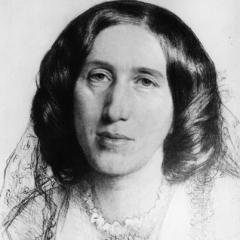
George Eliot
George Eliot, born Mary Ann Evans, was a renowned 19th-century British novelist. Her works are known for their profound psychological insights and critical exploration of social issues. With her unique narrative techniques and rich emotional expression, she has had a profound impact on literature. more
You May Also Like
“All passion becomes strength when it has an outlet.”
Source: Adam Bede
Source: Adam Bede ... Tenth edition
Source: Delphi Complete Works of George Eliot (Illustrated)
Source: Scenes of Clerical Life
“The nature o' things doesn't change, though it seems as if one's own life was nothing but change.”
Source: Adam Bede: Scenes of Clerical Life
Source: Four Novels of George Eliot
Source: Adam Bede ... Tenth edition
“Talking about stepping down in five years is frankly not a topic of particular actuality now.”
Source: Four Novels of George Eliot