“No greater glory can be handed down than to conquer the barbarian, to recall the savage and the pagan to civility, to draw the ignorant within the orbit of reason, and to fill with reverence for divinity the godless and the ungodly.”
Quote by Richard Hakluyt
Work
The Original Writings & Correspondence of the Two Richard Hakluyts
This volume brings together the original writings and personal correspondence of the two Richard Hakluyts—the elder, a lawyer and scholar, and the younger, a clergyman and geographer best known for his major work on English voyages. The book presents primary source materials that illuminate their contributions to the documentation of early modern exploration, including their networks of correspondence with navigators, merchants, and patrons. The collection offers insight into the development of English overseas interests and the intellectual context of Elizabethan travel literature. more
Author
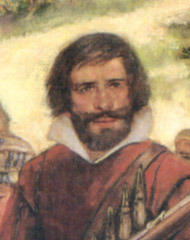
Richard Hakluyt
Richard Hakluyt, an English writer born in 1553 and died on November 23, 1616, was a prominent figure in the early English exploration and colonization. Known for his passion for exploration and his contributions to the geographical discoveries, he is celebrated as one of the founders of English exploration literature. more
You May Also Like
“Parties on the back of Parties, at war with the world and with each other.”
Source: The Life of Oliver Cromwell: With a Selection from His Letters and Speeches
“A waste land lit by holy candles.”
Source: The Letters of Sean O'Casey: 1942-54