“Alligator: The crocodile of America, superior in every detail to the crocodile of the effete monarchies of the Old World.”
Quote by Ambrose Bierce
Work
Ambrose Bierce: The Devil's Dictionary, Tales, and Memoirs: The Devil's Dictionary, Tales, and Memoirs
This volume includes 'The Devil's Dictionary,' a series of satirical and often scathing definitions, as well as a selection of short stories and memoirs that reflect Bierce's wit and social commentary. more
Author
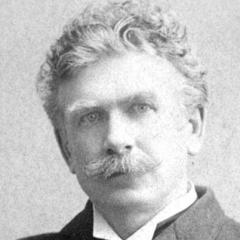
Ambrose Bierce
Ambrose Bierce was an American journalist, satirist, and editor, renowned for his sharp wit and dark humor. He is best known for his satirical novel 'The Devil's Dictionary' and his short stories. Bierce was born on June 24, 1842, and his exact date of death remains unknown, as he disappeared during the American Civil War. more
You May Also Like
“Labor is one of the processes by which A acquires property for B.”
Source: Delphi Complete Works of Ambrose Bierce (Illustrated)
“Example is better than following it.”
Source: The Devil's Dictionary
“When their children fail to charm others, few parents can stay neutral.”
Source: Necessary Losses: The Loves Illusions Dependencies and Impossible Ex
Source: Necessary Losses: The Loves Illusions Dependencies and Impossible Ex
Source: Necessary Losses: The Loves Illusions Dependencies and Impossible Ex
Source: Necessary Losses: The Loves Illusions Dependencies and Impossible Ex