“The sinews of art and literature, like those of war, are money.”
Quote by Samuel Butler
Work
Samuel Butler's notebooks
This volume presents a compilation of Samuel Butler's handwritten notebooks, offering a glimpse into the mind of a prominent Victorian writer. The notebooks contain a mix of literary musings, philosophical reflections, and personal anecdotes, providing a unique insight into Butler's creative process and intellectual pursuits. more
Author
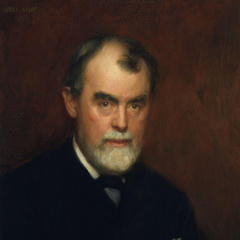
Samuel Butler
Samuel Butler was an English author and philosopher, renowned for his satirical novel Erewhon and his philosophical writings. Born on December 4, 1835, he was a prominent figure during the Victorian era, influencing both literature and thought. Butler's most celebrated work, Erewhon, was published in 1872. The novel is a satirical commentary on Victorian society and explores the concept of a utopian society. He also authored several philosophical works, including The Way of All Flesh, which was controversial for its criticism of religion and morality. Butler's contributions to literature and philosophy have had a lasting impact. His satirical style and exploration of complex themes have established him as a significant figure in Victorian literature. Despite his controversial views, he remains celebrated for his intellectual contributions. more
You May Also Like
Source: Sookie Stackhouse 8-copy Boxed Set
Source: Demian: A Dual-Language Book
“Often people who are wonderful with animals aren't always terribly good with human beings.”
“The voice of the Lord is the voice of common sense, which is shared by all that is.”
Source: Delphi Complete Works of Samuel Butler (Illustrated)