“The real beginning of influence comes as others sense you are being influenced by them - when they feel understood by you - that you have listened deeply and sincerely, and that you are open.”
Quote by Stephen Covey
Work
The 7 Habits of Highly Effective People: Powerful Lessons in Personal Change
This book presents a framework for personal development, focusing on seven habits that are essential for success in both personal and professional realms. It explores principles such as proactive thinking, time management, and effective communication, providing readers with actionable advice for enhancing their lives. more
Author
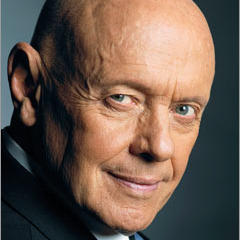
Stephen Covey
Stephen Covey was an American author, entrepreneur, and lecturer, best known for his book 'The 7 Habits of Highly Effective People'. Since its publication in 1989, this book has become a global bestseller and has had a profound impact on personal and organizational development. more
You May Also Like
“We accomplish all that we do through delegation - either to time or to other people.”
Source: The 7 Habits of Highly Effective People: Powerful Lessons in Personal Change Interactive Edition
Source: The 7 Habits of Highly Effective People: Powerful Lessons in Personal Change
Source: The 7 Habits of Highly Effective People: Powerful Lessons in Personal Change
Source: The 7 Habits of Highly Effective People: Powerful Lessons in Personal Change Interactive Edition
Source: The 7 Habits of Highly Effective People: Powerful Lessons in Personal Change
Source: The 7 Habits of Highly Effective People: Powerful Lessons in Personal Change
“See every problem as an opportunity to exercise creative energy.”
“When we pick up one end of the stick, we pick up the other.”
Source: The 7 Habits of Highly Effective People: Powerful Lessons in Personal Change Interactive Edition