“That which distinguishes this day from all others is that then both orators and artillerymen shoot blank cartridges.”
Quote by John Burroughs
Author
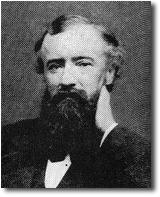
John Burroughs
John Burroughs (April 3, 1837 – March 29, 1921) was an American essayist and naturalist, widely regarded as the father of American nature writing. Born in Roxbury, New York, he worked as a teacher and journalist before dedicating himself to observing and writing about nature. His works, such as Wake-Robin and Winter Sunshine, are celebrated for their vivid descriptions and philosophical depth. A close friend of poet Walt Whitman, Burroughs emphasized the spiritual connection between humans and the natural world. His writings influenced early conservation movements and continue to inspire readers today. more
You May Also Like
Source: Bird and Bough
Source: In the Catskills Selections from the Writings of John Burroughs
“[T]he cold warms me—after a different fashion from that of the kitchen stove.”
Source: In the Catskills Selections from the Writings of John Burroughs
Source: Winter Sunshine
“One is tempted to say that the most human plants, after all, are the weeds.”
Source: A year in the fields: selections from the writings of John Burroughs
Source: In the Catskills Selections from the Writings of John Burroughs
Source: John Burroughs' America: Selections from the Writings of the Naturalist
Source: In the Catskills Selections from the Writings of John Burroughs
“In the pun, two strings of thought are tangled into one acoustic knot.”