“Nip the shoots of arbitrary power in the bud, is the only maxim which can ever preserve the liberties of any people. When the people give way, their deceivers, betrayers and destroyers press upon them so fast that there is no resisting afterwards. The nature of the encroachments is to, grow every day more encroaching; like a cancer, it eats faster and faster every hour.”
Quote by John Adams
Work
The Works of John Adams, Second President of the United States: With a Life of the Author, Notes and Illustrations
This volume includes a wide array of John Adams's personal and professional correspondence, political writings, and other documents. It also features a detailed biography of Adams, providing insight into his life and times. The book is further enhanced with notes and illustrations that offer context and analysis of Adams's work. more
Author
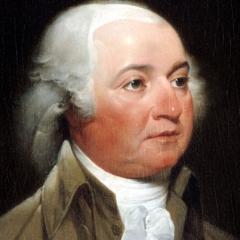
John Adams
John Adams, the second President of the United States, was a statesman, diplomat, and writer. Born on October 30, 1735, and died on July 4, 1826, Adams played a significant role in the American Revolutionary War. He was one of the drafters of the Declaration of Independence and served as the President from 1789 to 1797. more
You May Also Like
Source: The Life, Eulogy, and Great Orations of Daniel Webster
Source: A Discourse, Delivered at Plymouth, December 22, 1820: In Commemoration of the First Settlement of New-England
“The happiness of man, as well as his dignity, consists in virtue.”
Source: Letters, Addressed to His Wife
Source: The Works of John Adams, Second President of the United States: Autobiography (cont.) Diary. Notes of a debate in the Senate of the United States. Essays: On private revenge. On self-delusion. On private revenge. Dissertation on the canon and the feudal law. Instructions of the town of Braintree to their representative, 1765. The Earl of Clarendon to William Pym. Governor Winthrop to Governor Bradford. Instructions of the town of Boston to their representatives, 1768. Instructions of the town of
Source: The Great Orations and Senatorial Speech of Daniel Webster