“The first thing they do to you when you go into New-Path," Charles Freck said, "is they cut off your pecker. As an object lesson. And then they fan out in all directions from there." "Your spleen next," Barris said. "They what, they cut -- What does that do, a spleen?" "Helps you digest your food." "How?" "By removing the cellulose from it." "Then I guess after that --" "Just noncellulose foods. No leaves or alfalfa." "How long can you live that way?" Barris said, "It depends on your attitude." "How many spleens does the average person have?" He knew there usually were two kidneys. "Depends on his weight and age." "Why?" Charles Freck felt keen suspicion. "A person grows more spleens over the years. By the time he's eighty --" "You're shitting me.”
Quote by Philip K. Dick
Book:A Scanner Darkly
Work
A Scanner Darkly
Pulitzer Prize-winning author Philip K. Dick crafts a gripping narrative set in a dystopian future where reality is blurred by drug-induced delusions. The story follows an undercover agent, Bob Arctor, as he struggles to maintain his identity and sanity while navigating a world dominated by drug addiction. more
Author
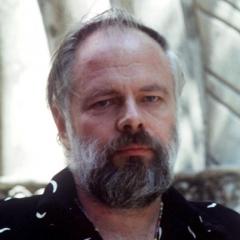
Philip K. Dick
Philip K. Dick was an American science fiction novelist known for his unique philosophical thinking and profound futuristic imagination. His works often explore the boundaries between individuals and society, reality and illusion, and have had a profound impact on science fiction literature. more
You May Also Like
“Selim's first view of Europe was a vast, thick carpet of shit.”
Source: The Registrar's Manual for Detecting Forced Marriages
Source: The Map of Love
Source: The Gathering Storm
Source: The Gathering Storm
Source: Banker's Holiday: A Novel of Fiscal Irregularity
Source: Banker's Holiday: A Novel of Fiscal Irregularity
Source: Makers of America: A Personal Family History
Source: The Salmon of Doubt: Hitchhiking the Galaxy One Last Time