“We are tainted by modern philosophy which has taught us that all is good, whereas evil has polluted everything and in a very real sense all is evil, since nothing is in its proper place.”
Quote by Joseph de Maistre
Work
The Generative Principle of Political Constitutions: Studies on Sovereignty, Religion and Enlightenment
The Generative Principle of Political Constitutions is a scholarly work that examines the origins and evolution of political constitutions. It analyzes the role of sovereignty in shaping political structures and the impact of religious beliefs on constitutional development. The book also investigates the contributions of the Enlightenment to the formulation of modern political constitutions, providing a comprehensive understanding of these complex and interconnected themes. more
Author
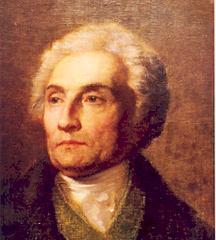
Joseph de Maistre
Joseph de Maistre was a French philosopher known for his conservative political theories, which had a profound impact on 19th-century European political philosophy. more
You May Also Like
Source: The Table Talk of Dr. Johnson: Comprising Opinions and Anecdotes of Life and Literature, Men, Manners, and Morals
Source: Riches Within Your Reach
Source: The Essential Lippmann: A Political Philosophy for Liberal Democracy
Source: Raymond Chandler Speaking
Source: Reflections In A Jaundiced Eye
Source: Park Bench Statesman