“He seems to me to be headed for his ideal fate, which is compulsive psychosis dashed with a jigger of psychopathic irresponsibility and violence”
Quote by Jack Kerouac
Work
The Portable Jack Kerouac
This volume offers readers a curated selection of Jack Kerouac's writings, showcasing his unique style and contributions to the Beat Generation. It includes excerpts from his classic novels, such as 'On the Road' and 'The Dharma Bums', as well as his poetry and other prose works, providing a comprehensive overview of his literary legacy. more
Author
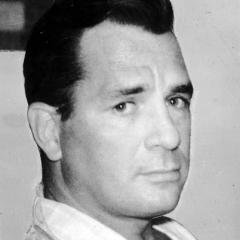
Jack Kerouac
Jack Kerouac, born on March 12, 1922, in Lowell, Massachusetts, was an influential American novelist. Known for his autobiographical novels and beat literature, his most famous work is 'On the Road'. Kerouac's writings had a profound impact on American culture in the 1960s. more
You May Also Like
Source: Écrits: a selection
Source: Selected Papers, with an Introductory Memoir by Ernest Jones
Source: An Unquiet Mind: A Memoir of Moods and Madness
Source: Collected papers ...
Source: When the Impossible Happens: Adventures in Non-Ordinary Realities, Read How You Want Edition
Source: The Unreal and the Real: The Selected Short Stories of Ursula K. Le Guin