“Whatever else the Norman Conquest may or may not have done, it made the old haphazard state of legal affairs forever impossible.”
Quote by Edward Jenks
Work
A Short History of English Law: From the Earliest Times to the End of the Year 1919
A Short History of English Law is a scholarly work that meticulously traces the evolution of English legal principles and practices. The book delves into the historical context of various legal developments, examining the impact of social, political, and economic factors on the law. It includes discussions on the Magna Carta, the common law, and the development of legal institutions, offering readers a thorough understanding of the foundational elements of English law. more
Author
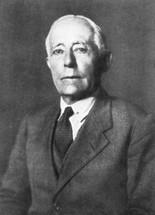
Edward Jenks
Edward Jenks was a British writer born in 1861 and died in 1939. His works covered a range of fields, including history, philosophy, and literary criticism. Jenks is known for his profound insights into history and philosophy, and his writings have had a significant impact on later scholars. more
You May Also Like
Source: A Short History of English Law: From the Earliest Times to the End of the Year 1919
Source: A Short History of English Law: From the Earliest Times to the End of the Year 1919
Source: A Short History of English Law: From the Earliest Times to the End of the Year 1919
Source: A Short History of English Law: From the Earliest Times to the End of the Year 1919
Source: A Short History of English Law: From the Earliest Times to the End of the Year 1919
Source: A Short History of English Law: From the Earliest Times to the End of the Year 1919
Source: A Short History of English Law: From the Earliest Times to the End of the Year 1919
Source: A Short History of English Law: From the Earliest Times to the End of the Year 1919
Source: A Short History of English Law: From the Earliest Times to the End of the Year 1919