“Some men at the approach of a dispute neigh like horses. Unless there be an argument, they think nothing is doing. Some talkers excel in the precision with which they formulate their thoughts, so that you get from them somewhat to remember; others lay criticism asleep by a charm. Especially women use words that are not words,--as steps in a dance are not steps,--but reproduce the genius of that they speak of; as the sound of some bells makes us think of the bell merely, whilst the church chimes in the distance bring the church and its serious memories before us.”
Quote by Ralph Waldo Emerson
Author
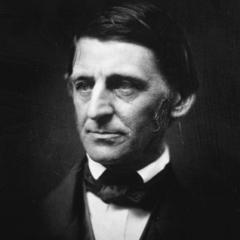
Ralph Waldo Emerson
American essayist, poet, and philosopher. Born on May 25, 1803, and died on April 27, 1882. Known for his transcendentalist philosophy, his works have had a profound impact on literature and the intellectual world. more
You May Also Like
Source: Delphi Complete Works of Ralph Waldo Emerson (Illustrated)
“The borrower runs in his own debt.”
Source: Essays and Lectures
Source: Representative men. English traits. Conduct of life
Source: The Collected Works of Ralph Waldo Emerson: Society and solitude
Source: Emerson's Complete Works
“Try to live the life of the good man who is more than content with what is allocated to him.”
“Be tolerant with others and strict with yourself.”
Source: The Modern Library Collection of Greek and Roman Philosophy 3-Book Bundle: Meditations; Selected Dialogues of Plato; The Basic Works of Aristotle
Source: Stoic Six Pack: Meditations of Marcus Aurelius, Golden Sayings, Fragments and Discourses of Epictetus, Letters from a Stoic and The Enchiridion