Quotessence
Home / Quotes / Quote by Ian Mcewan

Quote by Ian Mcewan

“For children, childhood is timeless. It is always the present. Everything is in the present tense. Of course, they have memories. Of course, time shifts a little for them and Christmas comes round in the end. But they don't feel it. Today is what they feel, and when they say 'When I grow up,' there is always an edge of disbelief - how could they ever be other than what they are?”

Quote by Ian Mcewan

Author
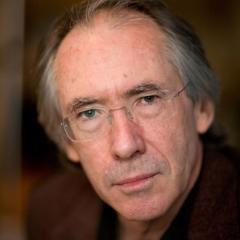
Ian Mcewan
Ian Mcewan

Ian Mcewan is a renowned British novelist known for his unique narrative techniques and profound insights into human nature. His works often explore themes such as moral dilemmas, historical events, and personal identity. Born on June 21, 1948, Mcewan's representative works include 'Atonement', 'Freedom', and 'Amsterdam'. more

You May Also Like

“You have to remain strong. That's the kind of filmmaker I want to encourage. Orson Welles was the one who said, you know, you can learn anything you need to know about filmmaking- that's camera, sound, celluloid, video at this point- in four hours. It has nothing to do with anything. It has nothing to do with it... It has to do with what you want to say. If you feel you have something to say, you'll find that way to get it said, on film, and not let anyone or anything chip away at that or tarnish it, because it's something special and precious.”

“Events unfold so unpredictably, so unfairly, human happiness does not seem to be included in the design of creation. It is only we, with our capacity to love that give meaning to the indifferent universe. And yet, most human beings seem to have the ability to keep trying and even try to find joy from simple things, like their family, their work, and from the hope that future generations might understand more.”

“From the very beginning, all of my films have divided the critics. Some have thought them wonderful, and others have found very little good to say. But subsequent critical opinion has always resulted in a very remarkable shift to the favorable. In one instance, the same critic who originally rapped the film has several years later put it on an all-time best list. But of course, the lasting and ultimately most important reputation of a film is not based on reviews, but on what, if anything, people say about it over the years, and on how much affection for it they have.”