“Most of our modern portrait painters are doomed to absolute oblivion. They never paint what they see. They paint what the public sees, and the public never sees anything.”
Quote by Oscar Wilde
Work
The Best of Oscar Wilde: Selected Plays and Writings
This volume brings together a selection of Oscar Wilde's major dramatic works and key writings, reflecting his enduring influence on English literature. The collection typically includes his most famous comedies of manners, such as The Importance of Being Earnest and Lady Windermere's Fan, as well as his tragic play Salomé. It also features excerpts from his novel The Picture of Dorian Gray, his fairy tales, essays, and selected poems. The works are noted for their epigrammatic dialogue, satire of Victorian society, and exploration of themes like aestheticism, morality, and identity. The selection aims to present a representative overview of Wilde's literary output, highlighting his versatility as a playwright, novelist, poet, and critic. more
Author
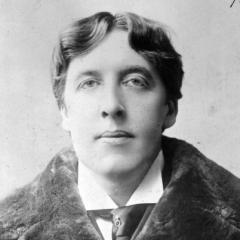
Oscar Wilde
Oscar Wilde, born on October 16, 1854, in Ireland, and died on November 30, 1900, was a renowned Irish writer, playwright, and poet. His works are known for their wit, satire, and unique style, with notable works including 'The Picture of Dorian Gray' and 'Lady Windermere's Fan'. more
You May Also Like
Source: The Varieties of Religious Experience
Source: The Life of Samuel Johnson, LL.D.: Together with A Journal of a Tour to the Hebrides
Source: The Letters and Works: In Three Volumes
Source: WORST YEARS OF OUR LIVES
Source: The critic as artist (low cost). Limited edition