“To love someone is to catch your breath whenever he walks in the room.”
Quote by Margaret George
Author
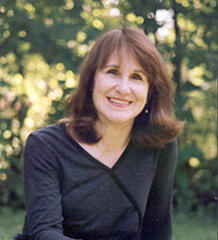
Margaret George
Margaret George is a renowned British historian, born on January 19, 1943. She is known for her research on British historical figures, particularly her biographies of King George VI and Queen Elizabeth II. more
You May Also Like
Source: For the New Intellectual: The Philosophy of Ayn Rand (50th Anniversary Edition)
Source: Frankenstein: ; Or, The Modern Prometheus
Source: The Complete Works of George MacDonald: Novels, Short Stories, Poetry, Theological Writings & Essays (Illustrated): The Princess and the Goblin, Phantastes, At the Back of the North Wind, Lilith, England’s Antiphon, David Elginbrod, Malcolm, The Light Princess, The Golden Key and many more
Source: WESTERN CLASSICS COLLECTION: The Promised Land, The Virginian, Lin McLean, Red Man and White, The Jimmyjohn Boss, Napoleon Shave-Tail, Hank's Woman, A Kinsman of Red Cloud, Padre Ignacio and more: Historical Novels, Adventures and Romances, Including the First Cowboy Novel Set in the Wild West
Source: No Country for Old Men
Source: Name of the Rose