“As for what is not true, you will always find abundance in the newspapers.”
Quote by Thomas Jefferson
Work
Memoirs, Correspondence, and Private Papers of Thomas Jefferson: Late President of the United States
Memoirs, Correspondence, and Private Papers of Thomas Jefferson: Late President of the United States is a comprehensive compilation of the personal documents of Thomas Jefferson. The book provides a detailed look into Jefferson's life and work, including his presidency, his views on slavery, and his contributions to the drafting of the Declaration of Independence. The correspondence and private papers offer a unique perspective on the political landscape of his time, revealing his interactions with contemporaries and his own reflections on the issues of his era. more
Author
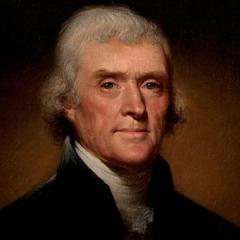
Thomas Jefferson
Thomas Jefferson was the third President of the United States, a distinguished politician, philosopher, architect, and scientist. He was born on April 13, 1743, and died on July 4, 1826. Jefferson advocated for democracy and freedom in politics and was one of the main authors of the Declaration of Independence. His political ideas had a profound impact on the founding and development of the United States. more
You May Also Like
Source: Selected letters of Thomas Jefferson
Source: The Writings of James Madison: 1790-1802
Source: Correspondence [contin.] 1795-1804; 1777; 1791. Letters of H.G. 1789. Address to public creditors. 1790. Vindication of funding system. 1791
Source: Commentaries on the Constitution of the United States: With a Preliminary Review of the Constitutional History of the Colonies and States, Before the Adoption of the Constitution
Source: The Works of Thomas Jefferson: Correspondence 1786-1787