“In order to be able thus to misjudge, and thus to grant left-handed veneration to our classics, people must have ceased to know them. This, generally speaking, is precisely what has happened. For, otherwise, one ought to know that there is only one way of honoring them, and that is to continue seeking with the same spirit and with the same courage, and not to weary of the search.”
Quote by Friedrich Nietzsche
Work
Delphi Complete Works of Friedrich Nietzsche (Illustrated): Friedrich Nietzsche
This illustrated edition of Friedrich Nietzsche's complete works offers readers a comprehensive look into the writings of one of the most significant philosophers of the 19th century. It includes a variety of Nietzsche's works, showcasing his philosophical ideas and literary style. more
Author
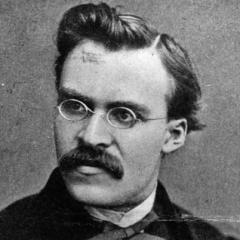
Friedrich Nietzsche
Friedrich Nietzsche was a German philosopher, cultural critic, poet, and writer whose works have had a profound impact on subsequent philosophy, literature, and thought. His ideas revolve around concepts such as the 'will to power', the 'Übermensch', and the 'eternal recurrence'. more
You May Also Like
Source: The Gay Science
Source: Basic Writings of Nietzsche
Source: The Will to Power
Source: The Gay Science: With a Prelude in Rhymes and an Appendix of Songs
Source: Nietzsche: Untimely Meditations
Source: Nietzsche: Untimely Meditations