Quotessence
Home / Quotes / Quote by Katherine Paterson

Quote by Katherine Paterson

“I think, she began quietly, I think we want... not just bread for our bellies. We want more than only bread. We want food for our hearts, our souls. We want- how to say it? We want, you know- Puccini music.... we want for our beautiful children some beauty. She leaned over and kissed the curl on her finger. We want roses.”

Quote by Katherine Paterson

Work

Bread and Roses, Too

This book delves into the lives of workers and their struggles for fair wages and better working conditions, reflecting on the broader societal implications of economic disparity. more

Author

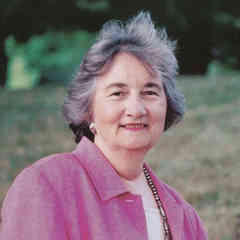
Katherine Paterson
Katherine Paterson

Katherine Paterson is an esteemed American children's literature author known for her profound emotions and rich imagination. Her works have won numerous top awards in the American children's literature field, such as the Newbery Medal. Born on October 31, 1932, Paterson's works cover a variety of themes from historical novels to modern life, enjoying great popularity among readers. more

You May Also Like

“Mahlia... understood Doctor Mahfouz and his blind rush into the village. He wasn't trying to change them. He wasn't trying to save anyone. He was just trying to not be part of the sickness. Mahlia had thought he was stupid for walking straight into death, but now, as she lay against the pillar, she saw it differently. She thought she'd been surviving. She thought that she'd been fighting for herself. But all she'd done was create more killing, and in the end it had all led to this moment, where they bargained with a demon ... not for their lives, but for their souls”

“He watched a catbird hopping around in an azalea that was readying itself to bloom; he envied the bird for knowing nothing of what he knew; he would have swapped souls with it in a heartbeat. And then to take wing, to know the air's buoyancy even for an hour: the trad was a no-brainer, and the catbird, with its lively indifference to him, its sureness of physical selfhood, seemed well aware of how preferable it was to be the bird.”