Quotessence
Home / Quotes / Quote by Diana Trilling

Quote by Diana Trilling

“[On Marilyn Monroe:] I think my response to her death was the common one: it came to me with the impact of a personal deprivation but I also felt it as I might a catastrophe in history or in nature; there was less in life, there was less of life, because she had ceased to exist. In her loss life itself had been injured.”

Quote by Diana Trilling

Work

Claremont essays

This book is a compilation of essays that delve into the cultural, social, and historical aspects of the Claremont area. The essays offer insights into the community's development, its residents, and the unique environment that defines it. more

Author

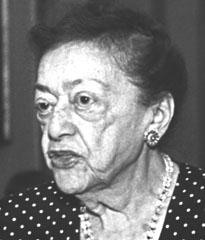
Diana Trilling
Diana Trilling

Diana Trilling was a prominent literary critic and essayist in the United States. Born on July 21, 1905, and passing away on October 23, 1996, she was known for her insightful analyses of American literature and her influential role in shaping literary criticism during the mid-20th century. more

You May Also Like

“Culture looks beyond machinery, culture hates hatred; culture has one great passion--the passion for sweetness and light. It has one even yet greater, the passion for making them all prevail. It is not satisfied till we all come to a perfect man; it knows that the sweetness and light of the few must be imperfect until the raw and unkindly masses of humanity are touched with sweetness and light.”

“It does not try to reach down to the level of inferior classes; it does not try to win them for this or that sect of its own, with ready-made judgments and watchwords of its own. It seeks to away with classes, to make the best that has been taught and known in the world current everywhere, to make all men live in an atmosphere of sweetness and light, where they may use ideas, as it uses them itself, freely--nourished, and not bound by them.”

“Poetry interprets in two ways: it interprets by expressing, with magical felicity, the physiognomy and movements of the outward world; and it interprets by expressing, with inspired conviction, the ideas and laws of the inward world of man's moral and spiritual nature. In other words, poetry is interpretative both by having natural magic in it, and by having moral profundity.”