“There's only one thing more important... and that is, after you've done what you set out to do, to feel that it's been worth doing.”
Quote by James Hilton
Work
Three Famous Novels: Lost Horizon, Good-bye, Mr. Chips [and] Random Harvest
"Lost Horizon" is a tale of adventure and discovery set in a hidden utopian valley. "Good-bye, Mr. Chips" is a poignant story of a schoolmaster's life. "Random Harvest" explores themes of love and memory. Collectively, these novels offer a diverse range of narratives and emotional journeys. more
Author
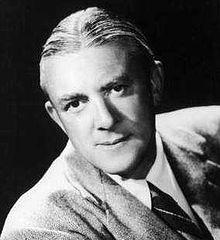
James Hilton
James Hilton, a British novelist, was born on September 9, 1900, and died on December 20, 1954. He is best known for his novel 'Lost Horizon', which depicts a mysterious and enchanting utopian community located on the Himalayas. more
You May Also Like
Source: Three Famous Novels: Lost Horizon, Good-bye, Mr. Chips [and] Random Harvest
Source: Little House in the Big Woods
“I've lived through some terrible things in my life, some of which actually happened.”
“If you can't be a good example, you'll just have to be a horrible warning." -Gwen Goodnight”
Source: Faking It
“Is there any knowledge in the world which is so certain that no reasonable man could doubt it?”
Source: The Problems of Philosophy
“One resists the invasion of armies; one does not resist the invasion of ideas.”
Source: The History of a Crime
Source: Delphi Complete Works of Mark Twain (Illustrated)