“In the midst of our applauding the feats of civilization, the Bible flings itself like a knife slashing our complacency; remind us that God, too, has a voice in history.”
Quote by Abraham Joshua Heschel
Work
God in Search of Man: A Philosophy of Judaism
This work presents a comprehensive philosophy of Judaism, arguing that the divine is not distant but actively in search of human beings. The book delves into key concepts such as revelation, faith, and the nature of religious experience, emphasizing a dynamic and personal relationship with God. It explores how Jewish traditions, texts, and practices reflect this ongoing search, offering a framework for understanding Judaism as a living, responsive faith rather than a static set of beliefs. more
Author
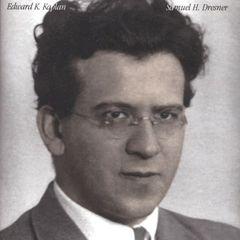
Abraham Joshua Heschel
Abraham Joshua Heschel was a renowned rabbi and Jewish scholar, born on January 11, 1907, and passed away on December 23, 1972. He had a profound impact on religious philosophy, Jewish theology, and moral ethics. more
You May Also Like
“Complacency makes one as guilty as those who destroy the Earth.”
“I often wish I'd got on better with your father,' he said.”
Source: Delphi Complete Works of Virginia Woolf (Illustrated)
Source: THORSTEIN VEBLEN Ultimate Collection: 8 Books & 50+ Business Essays and Articles in Warfare and Economics: The Theory of the Leisure Class, The Theory of Business Enterprise, The Higher Learning In America, Panem et Circenses, The Vested Interests and the Common Man, The Use of Loan Credit in Business…
Source: Enquiry Concerning Political Justice: And Its Influence On Morals And Happiness