Quotessence
Home / Quotes / Quote by Edward Gibbon

Quote by Edward Gibbon

Work

History of the Decline and Fall of the Roman Empire V3: the History Focus

This book provides an in-depth examination of the factors contributing to the fall of the Roman Empire, including political, social, and economic changes, as well as the impact of external invasions and internal conflicts. more

Author
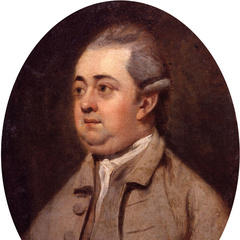
Edward Gibbon
Edward Gibbon

Edward Gibbon was an English historian renowned for his magnum opus, 'The History of the Decline and Fall of the Roman Empire'. His work has had a profound impact on historical studies. more

You May Also Like

“The valuable library of Alexandria was pillaged or destroyed; and near twenty years afterwards, the appearance of the empty shelves excited the regret and indignation of every spectator whose mind was not totally darkened by religious prejudice. The compositions of ancient genius, so many of which have irretrievably perished, might surely have been excepted from the wreck of idolatry, for the amusement and instruction of succeeding ages.”

“A people who still remembered that their ancestors had been the masters of the world would have applauded, with conscious pride, the representation of ancient freedom, if they had not long since been accustomed to prefer the solid assurance of bread to the unsubstantial visions of liberty and greatness.”

“Yet the people, and even the clergy, incapable of forming any rational judgment of the business of peace and war, presumed to arraign the policy of Stilicho, who so often vanquished, so often surrounded, and so often dismissed the implacable enemy of the republic. The first moment of the public safety is devoted to gratitude and joy; but the second is diligently occupied by envy and calumny.”

“The incapacity of a weak and distracted government may often assume the appearance and produce the effects of a treasonable correspondence with the public enemy. If Alaric himself had been introduced into the council of Ravenna, he would probably have advised the same measures which were actually pursued by the ministers of Honorius.”

“The ancients were destitute of many of the conveniences of life which have been invented or improved by the progress of industry; and the plenty of glass and linen has diffused more real comforts among the modern nations of Europe than the senators of Rome could derive from all the refinements of pompous or sensual luxury.”

“In populous cities, which are the seat of commerce and manufactures, the middle ranks of inhabitants, who derive their subsistence from the dexterity or labour of their hands, are commonly the most prolific, the most useful, and, in that sense, the most respectable part of the community.”

“At the hour of midnight the Salerian gate was silently opened, and the inhabitants were awakened by the tremendous sound of the Gothic trumpet. Eleven hundred and sixty-three years after the foundation of Rome, the Imperial city, which had subdued and civilised so considerable a part of mankind, was delivered to the licentious fury of the tribes of Germany and Scythia.”

“The brutal soldiers satisfied their sensual appetites without consulting either the inclination or the duties of their female captives; and a nice question of casuistry was seriously agitated, Whether those tender victims, who had inflexibly refused their consent to the violation which they sustained, had lost, by their misfortune, the glorious crown of virginity. There were other losses indeed of a more substantial kind and more general concern.”