“I am this bundle of what has been, and what has been accomplished.”
Quote by Carl Jung
Work
Jung on Synchronicity and the Paranormal
Written by Carl Jung, this work examines the phenomenon of synchronicity, which he defined as meaningful coincidence. Jung's exploration of synchronicity and the paranormal intertwines psychology with the supernatural, investigating the relationship between the mind and the external world. The book provides a comprehensive look at Jung's theories, including case studies and discussions on the implications of his ideas for understanding human experience. more
Author
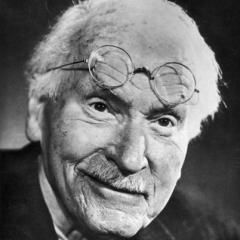
Carl Jung
Carl Jung, born on July 26, 1875, and died on June 6, 1961, was a renowned Swiss psychiatrist and psychologist. His theories have had a profound impact on fields such as psychology, psychiatry, and religious studies. Jung proposed the theory of personality types, the concept of the collective unconscious, and founded analytical psychology. more
You May Also Like
“Our blight is ideologies — they are the long-expected Antichrist!”
Source: Psychology and religion: West and East
“Even if the whole world were to fall to pieces, the unity of the psyche would never be shattered.”
Source: The Earth Has a Soul: The Nature Writings of C.G. Jung
Source: THE FUTURE OF AN ILLUSION
“Immorality, no less than morality, has at all times found support in religion.”
Source: The Standard Edition of the Complete Psychological Works of Sigmund Freud: case of hysteria, Three essays on sexuality, and other works
Source: The standard edition of the complete psychological works of Sigmund Freud