“I have a heart with room for every joy .”
Book:Beauties of Festus
“I have a heart with room for every joy .”
This book is a comprehensive exploration of Festus, a city renowned for its rich history and architectural marvels. It includes detailed essays that delve into the cultural heritage, historical significance, and aesthetic appeal of Festus. The essays are thoughtfully crafted to provide readers with a deep understanding of the city's past and its continued relevance in modern times. The book is a testament to Festus's beauty and its enduring legacy. more
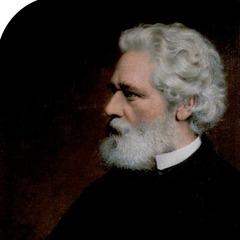
Philip James Bailey (April 22, 1816 – September 6, 1902) was an English poet of the Victorian era, best known for his epic poem 'Festus'. Born in Nottingham, he studied law at the University of Glasgow but chose poetry over a legal career. 'Festus', published in 1839, is a philosophical and religious epic exploring themes of faith, love, and redemption, which gained considerable popularity and went through multiple editions. Influenced by Byron and Shelley, Bailey's work reflects Romantic idealism and Victorian moral concerns. Despite later works like 'The Angel World' and 'The Mystic', he never replicated the success of 'Festus'. He spent most of his life in Nottingham and Jersey, and died in relative obscurity. Today, he is remembered as a minor but notable figure in Victorian poetry. more