Quotessence
Home / Quotes / Quote by John W. Gardner

Quote by John W. Gardner

“One exemplary act may affect one life, or even millions of lives. All those who set standards for themselves, who strengthen the bonds of community, who do their work creditably and accept individual responsibility, are building the common future.”

Quote by John W. Gardner

Author
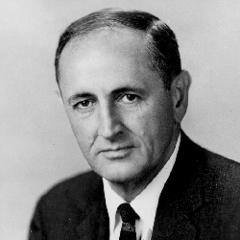
John W. Gardner
John W. Gardner

John W. Gardner was an American author, educator, and social activist. His works covered a range of topics including personal growth, leadership, and public affairs. Gardner is known for his profound insights and belief in the potential of human beings. more

You May Also Like

“To be wealthy, a rich nature is the first requisite and money but the second. To be of a quick and healthy blood, to share in all honorable curiosities, to be rich in admiration and free from envy, to rejoice greatly in the good of others, to love with such generosity of heart that your love is still a dear possession in absence or unkindness-these are the gifts of fortune which money cannot buy, and without which money can buy nothing.”

“Character is the product of daily, hourly actions, and words, and thoughts; daily forgivenesses, unselfishness, kindnesses, sympathies, charities, sacrifices for the good of others, struggles against temptation, submissiveness under trial. Oh, it is these, like the blending colors in a picture, or the blending notes of music, which constitute the man.”

“It's been fascinating over the last few years, watching the high and mighty in business and politics fall precipitously-not because their plans didn't work, but because their character flaws undercut those plans. Whether the microphone caught them making racist comments or their greed overcame their common sense, who they were as people made all the difference-more than their résumés, their degrees, or even their past successes. If you fail at the art of being human and staying human, you recklessly court disaster.”

“I believe the power of observation in numbers of very young children to be quite wonderful for its closeness and accuracy. Indeed, I think that most grown people who are remarkable in this respect, may with greater propriety be said not to have lost the faculty, than to have acquired it; the rather, as I generally observe such men to retain a certain freshness, and gentleness, and capacity of being pleased, which are also an inheritance they have preserved from their childhood.”