“I do indeed disbelieve that we or any other mortal men can attain on a given day to absolutely incorrigible and unimprovable truth about such matters of fact as those with which religions deal. But I reject this dogmatic ideal not out of a perverse delight in intellectual instability. I am no lover of disorder and doubt as such. Rather do I fear to lose truth by this pretension to possess it already wholly.”
Quote by William James
Work
The Varieties of Religious Experience: A Study in Human Nature
This seminal work delves into the various ways individuals experience and interpret religion, examining the profound influence it has on human psychology and spirituality. more
Author
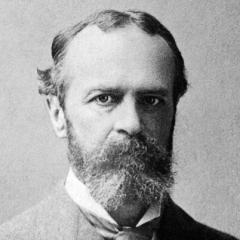
William James
William James, born on January 11, 1842, and died on August 26, 1910, was an influential American philosopher, psychologist, and writer. He is considered one of the founders of functionalism in psychology and has had a profound impact on the fields of psychology, philosophy, and religion. more
You May Also Like
Source: Pragmatism and the Conception of Thruth
Source: Pragmatism and Other Writings
“A difference which makes no difference is no difference at all.”
Source: The Principles Of Psychology -
“A purely disembodied human emotion is a nonentity.”
Source: What is an Emotion?
Source: The Will to Believe: And Other Essays in Popular Philosophy