“Work and thou canst escape the reward; whether the work be fine or course, planting corn or writing epics, so only it be honest work, done to thine own approbation, it shall earn a reward to the senses as well as to the thought.”
Quote by Ralph Waldo Emerson
Work
The Prose Works of Ralph Waldo Emerson
This volume includes a selection of Ralph Waldo Emerson's most influential writings, showcasing his philosophical and literary contributions to American transcendentalism. The collection features essays on self-reliance, nature, and the importance of individualism, offering readers insight into Emerson's thoughts on the human condition and the role of the individual in society. more
Author
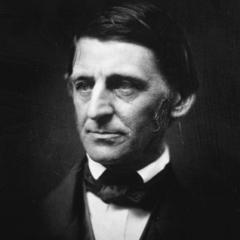
Ralph Waldo Emerson
American essayist, poet, and philosopher. Born on May 25, 1803, and died on April 27, 1882. Known for his transcendentalist philosophy, his works have had a profound impact on literature and the intellectual world. more
You May Also Like
“Honesty is praised and left in the cold.”
Source: Juvenal and Persius
“The critics who love are the severe ones . . . we know our relationship must be based on honesty.”
Source: The private eye, the cowboy, and the very naked girl: movies from Cleo to Clyde
Source: Essays, Moral and Humorous: Also Essays on Imagination and Taste