“Good roads, canals, and navigable rivers, by diminishing the expence of carriage, put the remote parts of the country more nearly upon a level with with those of the neighbourhood of the town. They are upon that the greatest of all improvements.”
Quote by Adam Smith
Work
The Wealth of Nations: the Great Master
This book is a landmark treatise in economic thought, originally published in the late 18th century. It systematically explores how nations generate and accumulate wealth through productive labor, free markets, and trade. The author introduces key concepts such as the invisible hand, specialization, and the role of self-interest in driving economic prosperity. The work critiques mercantilist policies and advocates for limited government intervention, laying the groundwork for modern capitalist theory. As a classic text, it remains influential in discussions of political economy and public policy. more
Author
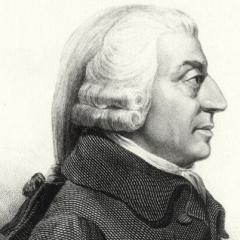
Adam Smith
Adam Smith, a renowned philosopher and economist from Britain, was born on June 5, 1723, and died on July 17, 1790. Known as the father of modern economics, his work 'The Wealth of Nations' had a profound impact on the development of economics. more
You May Also Like
Source: An Inquiry Into the Nature and Causes of the Wealth of Nations: With Notes, and an Additional Volume
Source: An inquiry into the nature and causes of the wealth of nations
Source: An inquiry into the nature and causes of the wealth of nations
“Consumption is the sole end and purpose of all production.”
Source: The Essential Adam Smith
Source: The Wealth of Nations: the Great Master
Source: Wealth of Nations (Abridged)
Source: The Whole Sermons of Jeremy Taylor ...: And, The Rule and Exercises of Holy Living and Holy Dying : with a Biographical Memoir