“A human being is primarily a bag for putting food into; the other functions and faculties may be more godlike, but in point of time they come afterwards. A man dies and is buried, and all his words and actions are forgotten, but the food he has eaten lives after him in the sound or rotten bones of his children. I think it could be plausibly argued that changes of diet are more important than changes of dynasty or even of religion....Yet it is curious how seldom the all-importance of food is recognized. You see statues everywhere to politicians, poets, bishops, but none to cooks or bacon-curers or market gardeners.”
Quote by George Orwell
Work
The Road To Wigan Pier: (Authorized Orwell Edition): A Mariner Books Classic
Browse quotes and source details for this work. more
Author
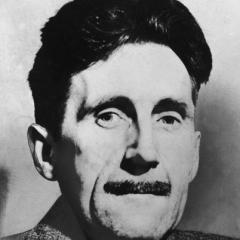
George Orwell
George Orwell, born Eric Arthur Blair, was a British novelist and political critic. Known for his sharp social criticism and profound insights into totalitarianism, Orwell is best remembered for his novels '1984' and 'Animal Farm', which remain influential to this day. more
You May Also Like
“To eat well in England you should have breakfast three times a day.”
Source: 1Q84
Source: My Life in France
“Food, like a loving touch or a glimpse of divine power, has that ability to comfort.”
“The trouble with eating Italian is that 5 or 6 days later, you're hungry again.”
Source: Faithful and Virtuous Night
Source: The Botany of Desire: A Plant's-Eye View of the World
“So you, too, like fruitcake? (RW on meeting Lenin in Zurich during World War I.)”