“There is certainly some interplay between body and mind. The weaker the body, the more apparent the organic wretchedness or obsolescence of that machine, the freer and the more adventurous one's thinking becomes. It too partakes of that sort of timeless youth which has nothing whatever to do with being in the prime of life. Thinking lives on neither health nor vitality, but on lucidity and pride, and the decaying of the body stimulates that lucidity and that pride. There is nothing worse than this obligation to research, to seek out references and documentation that has taken up residence in the realm of thought and which is the mental and obsessional equivalent of hygiene. In the 'intellectual field', as it is so aptly called, one has to plough the furrow of the concept. It is true that we no longer have a culture of leisure, in which thought and writing were violent and pleasurable. And our leisure now is no more than the charnel-house where dead time is born.”
Quote by Jean Baudrillard
Book:Cool memories
Work
Cool memories
This book is a compilation of personal anecdotes and memories that evoke a sense of nostalgia for the reader, capturing the essence of bygone times and the emotions associated with them. more
Author
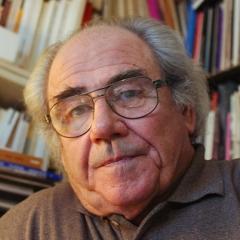
Jean Baudrillard
Jean Baudrillard was a French philosopher known for his critical studies on consumerism, media, and semiotics. His theories have had a profound impact on postmodernism and cultural studies. more
You May Also Like
“A writers mind is often promiscuous and his words adventurous .”
Source: Der Sandmann
“If the mind is a cacophony, the subconscious is silent theatre.”
Source: The Shapeless Unease: A Year of Not Sleeping
Source: The Shapeless Unease: A Year of Not Sleeping
Source: Being Bold: Quotes, Poetry, & Motivations for Every Day of the Year
“Negativity is cannibalistic. The more you feed it, the bigger and stronger it grows.”
Source: Evolve Your Brain: The Science of Changing Your Mind