Quotessence
Home / Quotes / Quote by Laurence Sterne

Quote by Laurence Sterne

“De câte ori cineva vorbeşte cu tărie împotriva religiei poate fi suspectat că nu o face din raţiune, ci dintr-o pasiune din care şi-a făcut un crez.”

Quote by Laurence Sterne

Author
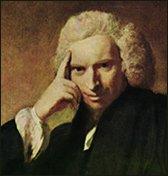
Laurence Sterne
Laurence Sterne

Laurence Sterne, born on November 24, 1713, and died on March 18, 1768, was a prominent English novelist of the 18th century. He is best known for his novel 'Tristram Shandy', which is considered a pioneer of modern fiction and is renowned for its unique narrative style and profound insights into human nature. more

You May Also Like

“...and yet the idea is hard to accept, it's so hard to succeed in making something happen, even what's been decided on and planned out, not even the will of a god seems forceful enough to manage it, if our own will is made in its semblance. It may be, rather, that nothing is ever unmixed and the thirst for totality is never quenched, perhaps because it is a false yearning. Nothing is whole or of a single piece, everything is fractured and evenomed, veins of peace run through the body of war and hatred insinuates itself into love and compassion, there is truce amid the quagmire of bullets and a bullet amid the revelries, nothing can bear to be unique or prevail or be dominant and everything needs fissures and cracks, needs it negation at the same time as its existence. And nothing is known with certainty and everything is told figuratively.”

“Ich schaue hinauf in den Nachthimmel, wo Sterne um Sichtbarkeit gegen die städtischen Lichter kämpfen. Der Eiffelturm gleich um die Ecke, konkurriert jetzt mit den Sternen, die einst unsere Suche nach Licht in der Nacht inspirierten. Wir haben nie gegen den Tag gekämpft, stattdessen kämpfen wir gegen die Nacht! Dies ist nicht die Stadt der Liebe, es ist die Stadt des Lichts! Ah, und das Schimmern, das endlose Schimmern überall!”

“Such is the passage, x. 14, where, after giving an account that the sun stood still upon Gibeon, and the moon in the valley of Ajalon, at the command of Joshua, (a tale only fit to amuse children). This tale of the sun standing still upon Motint Gibeon, and the moon in the valley of Ajalon, is one of those fables that detects itself. Such a circumstance could not have happened without being known all over the world. One half would have wondered why the sun did not rise, and the other why it did not set; and the tradition of it would be universal; whereas there is not a nation in the world that knows anything about it.”