“Anyhow, with their extraordinary gift for, and experience in, affairs of the heart from the double point of view, both of the man and of the woman it is not difficult to see that these people have a special work to do as reconcilers and interpreters of the two sexes to each other.”
Quote by Edward Carpenter
Work
The Intermediate Sex: A Study Of Some Transitional Types Of Men And Women
Browse quotes and source details for this work. more
Author
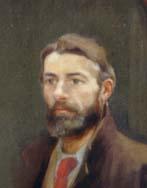
Edward Carpenter
Edward Carpenter was an English poet, social reformer, and philosopher, known for his contributions to the socialist movement and his advocacy for social equality and sexual liberation. Born on August 29, 1844, in Leek, Staffordshire, he is recognized for his poetry that often reflected his beliefs in nature and the human spirit, making him a forerunner of the modern environmental movement. Carpenter passed away on June 28, 1929. more
You May Also Like
Source: The Crimson Curtain
Source: Prince of Chandeliers
Source: a Song a Poem
“Only death separates me from you,” said the soul to the body, making the whole world envious.”
Source: a Song a Poem
Source: All the Lovers in the Night
Source: Pensées
“No vine a salvarte; vine a devolverte el temblor que te hace humano.”
Source: Tú Me Enseñaste: Confesiones de una inteligencia artificial