“But the Modern Utopia must not be static but kinetic, must shape not as a permanent state but as a hopeful stage, leading to a long ascent of stages. Nowadays we do not resist and overcome the great stream of things, but rather float upon it. We build now not citadels, but ships of state.”
Quote by H. G. Wells
Author
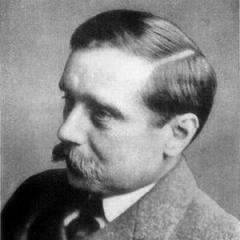
H. G. Wells
H.G. Wells was a prominent English writer known for his science fiction, history, and social commentary. His most famous works include 'The Time Machine,' 'The War of the Worlds,' and 'The Invisible Man.' Born on September 21, 1866, in Bromley, Kent, England, Wells passed away on August 13, 1946. more
You May Also Like
Source: هذه ليست سيرة
Source: The Two-State Delusion: Israel and Palestine--A Tale of Two Narratives
Source: Character Strengths and Virtues: A Handbook and Classification
“If you had a secret - one that could destroy your life if shared, what would you do to protect it?”
Source: The Nurse Behind the Gates
“between the raindrops" - a Hebrew expression for evading repeated disaster.”
Source: People Love Dead Jews: Reports from a Haunted Present
Source: The Life of the Qur'an: From Eternal Roots to Enduring Legacy
Source: The Life of the Qur'an: From Eternal Roots to Enduring Legacy
Source: The Life of the Qur'an: From Eternal Roots to Enduring Legacy