“In 1819 the proudest man in all of England was, without a doubt, the Duke of Wellington. This was not particularly surprising; when a man has twice defeated the armies of the wicked French Emperor, Napoleon Bonaparte, it is only natural that he should have a rather high opinion of himself.”
Quote by Susanna Clarke
Work
The Ladies of Grace Adieu and Other Stories
Browse quotes and source details for this work. more
Author
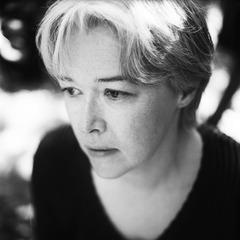
Susanna Clarke
Susanna Clarke is a British author best known for her novel 'American Gods', which has won numerous awards, including the Hugo Award. Born on November 1, 1959, Clarke grew up in the UK and studied English literature at Oxford University. Her career began as a literary editor before she turned to writing. 'American Gods' is a fantasy novel that blends history, mythology, and science fiction, and it has achieved both critical acclaim and commercial success. Clarke's work is celebrated for its unique narrative techniques and profound exploration of social and cultural issues, having a significant impact on contemporary fantasy literature. more
You May Also Like
Source: The Art of Loving Again: How to More Intelligently Start Again After a Breakup, Divorce and The Death of a Loved One
Source: The Art of Loving Again: How to More Intelligently Start Again After a Breakup, Divorce and The Death of a Loved One
Source: Loveless
“[S]elfish members win within groups, but groups of altruists best groups of selfish members. (63)”
Source: The Meaning of Human Existence
Source: Seven Types of Ambiguity
Source: Mixed Metaphors: Their Use and Abuse
Source: Gulp: Adventures on the Alimentary Canal
Source: Mixed Metaphors: Their Use and Abuse
“However stone dead such metaphors seem, we can easily wake them up.”
Source: The Philosophy of Rhetoric
“Being open-minded dramatically reduces one’s chances of getting a permanent tattoo.”