“If anyone teaches otherwise and does not consent to wholesome words, even the words of our Lord Jesus Christ, and to the doctrine which accords with godliness, he is proud, knowing nothing, but is obsessed with disputes and arguments over words, from which come envy, strife, reviling, evil suspicions, useless wranglings of men of corrupt minds and destitute of the truth, who suppose that godliness is a means of gain. From such withdraw yourself.”
Quote by Paul the Apostle
Work
1 Timothy KJV: King James Version
Browse quotes and source details for this work. more
Author
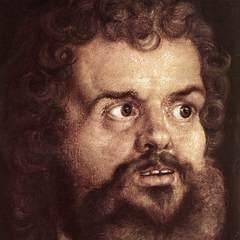
Paul the Apostle
Paul the Apostle is a significant figure in the New Testament of the Christian Bible, considered one of the founding figures of Christianity. He is believed to have been a follower of Jesus Christ and a key figure in spreading the Christian faith. Paul's life was marked by his transformation from a Pharisee who actively persecuted Christians to a devoted follower of Jesus. He dedicated himself to spreading Christianity throughout the Greek and Roman worlds, and his writings, including numerous letters in the New Testament, have had a profound impact on the development of Christian doctrine. more
You May Also Like
Source: Book of Revelation
Source: Letnice
Source: Passion Play: Written, Produced & Directed by Jesus H. Christ
“Jesus: I was nearly lynched by a mob made up of my hometown synagogue congregation.”
Source: Passion Play: Written, Produced & Directed by Jesus H. Christ
“Jesus: You picked the wrong Messiah to fuck with!”
Source: Passion Play: Written, Produced & Directed by Jesus H. Christ
“Jesus: Enough with the rebuking!”
Source: Passion Play: Written, Produced & Directed by Jesus H. Christ
Source: Help for the Hungry Soul: Eight Encouragements to Grow Your Appetite for God's Word
“It's always a bad move to invent a Jesus who agrees with us rather than challenge us”
Source: The Bible Tells Me So: Why Defending Scripture Has Made Us Unable to Read It
Source: The Evidence of Things Not Seen: Reflections on Faith, Science, and Economics