“Of course," agreed Basil, "if you read it carelessly, and act on it rashly, with the blind faith of a fanatic; it might very well lead to trouble. But nature is full of devices for eliminating anything that cannot master its environment. The words 'to worship me' are all-important. The only excuse for using a drug of any sort, whether it's quinine or Epsom-salt, is to assist nature to overcome some obstacle to her proper functions. The danger of the so-called habit-forming drugs is that they fool you into trying to dodge the toil essential to spiritual and intellectual development. But they are not simply man-traps. There is nothing in nature which cannot be used for our benefit, and it is up to us to use it wisely. Now, in the work you have been doing in the last week, heroin might have helped you to concentrate your mind, and cocaine to overcome the effects of fatigue. And the reason you did not use them was that a burnt child dreads fire. We had the same trouble with teaching Hermes and Dionysus to swim. They found themselves in danger of being drowned and thought the best way was to avoid going near the water. But that didn't help them to use their natural faculties to the best advantage, so I made them confront the sea again and again, until they decided that the best way to avoid drowning was to learn how to deal with oceans in every detail. It sounds pretty obvious when you put it like that, yet while every one agrees with me about the swimming, I am howled down on all sides when I apply the same principles to the use of drugs.”
Quote by Aleister Crowley
Work
Diary of a Drug Fiend
Browse quotes and source details for this work. more
Author
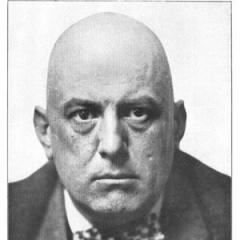
Aleister Crowley
Aleister Crowley, a British poet, mystic, and writer, was born on October 12, 1875, and died on December 1, 1947. He is known for his poetic works and mystical practices, and is considered one of the most controversial figures of the 20th century. more
You May Also Like
Source: Wrecked: When a Broken World Slams into Your Comfortable Life
“The assistant commander at any post is supposed to be a ruthless son of a bitch.”
Source: The Cardinal of the Kremlin
Source: The Science of Parenting
Source: Who's Afraid of Postmodernism?: Taking Derrida, Lyotard, and Foucault to Church
Source: Who's Afraid of Postmodernism?: Taking Derrida, Lyotard, and Foucault to Church
“Children cannot develop a sense of inner discipline if all of the control comes from the outside.”