Quotessence
Home / Quotes / Quote by Marguerite Yourcenar

Quote by Marguerite Yourcenar

“ვიცოდი, რომ სიკეთე, ისევე როგორც ბოროტება, ჩვევის, მოხერხებულობისა და გაწაფულობის საქმეა. ისიც ვიცოდი, რომ დროებითი შეიძლება გაგრძელდეს, რომ გარეგანი შიდა სიღრმეებში იჭრება და რომ ნიღაბი საბოლოოდ მაინც სახედ გარდაიქმნება; რადგან ზიზღი, სუსულელე, უმერება, მძვინვარება და ბორგვა ღრმად და ხანგრძლივად იდგამს ფესვებს ადამიანთა სულებში და ვერ ვხედავთ მიზეზებს, რომელთა გამოც ნათელგონიერება, სამართლიანობის გრძნობა და კეთილგანწყობა ასევე ვერ გაიკვლევდა გზას მოკვდავთა გონებაში. რა ფასი ექნებოდა წესრიგს საზღვრებზე, თუ იმ მეკონკე ებრაელსა და ძეხვეულით მოვაჭრე ბერძენს მშვიდობიანი თანაცხოვრების აუცილებლობაში ვერ დავარწმუნებდი.”

Quote by Marguerite Yourcenar

Work

Memoirs of Hadrian

Memoirs of Hadrian is a fictionalized account of the reign and personal life of the Roman Emperor Hadrian. The novel explores the complexities of power, love, and political intrigue during the second century AD. more

Author

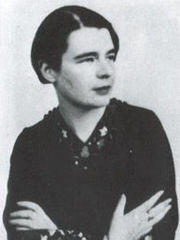
Marguerite Yourcenar

Marguerite Yourcenar was a renowned French novelist, known for her historical novels. Her works are celebrated for their profound insight and rich imagination, with her most famous novel being 'Orlando'. Born on June 8, 1903, she passed away on December 17, 1987. more

You May Also Like

“…I am suspicious of the very idea of policy. Policy implies the existence of an elite group - government officials, typically - that gets to decide on something that they then arrange to be imposed on everybody else. There’s a little mental trick we often play on ourselves when discussing such matters. We say, for instance, “What are we going to do about the problem of X?” as if “we” were society as a whole, somehow acting on ourselves, but, in fact, unless we happen to be part of that roughly 3-5% of the population whose views actually do affect policy makers, this is all a game of make-believe; we are identifying with our rulers when, in fact, we’re the ones being ruled.”

“Kiedy oni prowadzą kampanię, filozof César Rendueles notuje w swoim eseju o kapitalizmie i literaturze Capitalismo canalla (Łajdacki kapitalizm), który niedługo po wyborach stanie się w Hiszpanii bestsellerem: „Może jesteśmy sami. Ale kiedy nie ma bogów, rodziców ani nauczycieli, którzy by się nami opiekowali, możemy przynajmniej spróbować zaopiekować się sobą nawzajem”.”