“What an absurd thing it was to expect happiness in a world so full of misery. He had cut down his own needs to a minimum, photographs were put away in drawers, the dead were put out of mind: a razor strop, a pair of rusty handcuffs for decoration: but one still has one's eyes, he thought, one's ears. Point me out the happy man and I will point you out either egotism, selfishness, evil or else an absolute ignorance. Outside the rest-house he stopped again. The lights inside would have given an extraordinary impression of peace if one hadn't known, just as the stars on this clear night gave also an impression of remoteness, security, freedom. If one knew, he wondered, the facts, would one have to feel pity even for the planets? if one reached what they called the heart of the matter?”
Quote by Graham Greene
Work
The Heart of The Matter
This book delves into the emotional and psychological landscapes of its characters, examining themes of love, loss, and identity through a narrative that intertwines personal stories with broader societal issues. more
Author
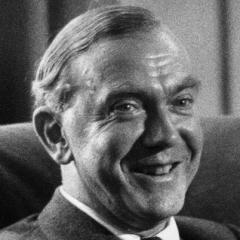
Graham Greene
Graham Greene was a renowned British writer born on October 2, 1904. His works are characterized by deep insight and unique narrative techniques, and he is hailed as one of the greatest novelists of the 20th century. Greene's writing spans a variety of themes, including spy novels, religious novels, and noir novels. more
You May Also Like
Source: Crime and Punishment
Source: The Art of an Enlightened Woman: A Manifesto
Source: Revelation
“I know certain truths about life.”
Source: How to Build a House
“Live while causing minimum suffering, and live to reduce maximum suffering.”
Source: Happiness Happens: Happiness For Those Who Have Everything Else
Source: The Meaning Of Life Is To Fight: A Collection of Poems
Source: The Paragon
Source: Driftless
Source: Pearls: A Memoir On Childhood Brain Cancer and Hope
Source: Acceptance and Commitment Therapy: An Experiential Approach to Behavior Change