“Even at Osborne, Albert had to start his day early if he was to get through the relentless agenda that he had set himself. The Queen did not have a private secretary; this role was filled by Albert, and as in every other area of their lives together – in the running of her establishments, in the upbringing of their children, in emotional support – she completely relied on him. He drafted, clarified, advised, and she approved nothing that he did not agree with. This self-imposed task of supporting, and moulding a constitutional monarch, who also made considerable emotional demands on him, would have been burden enough for most men. But for Albert, it was only part of his work, for the German prince had taken on an active role in the cultural life of his adoptive country.”
Quote by Sarah Ferguson
Work
Victoria and Albert: A Family Life at Osborne House
Browse quotes and source details for this work. more
Author
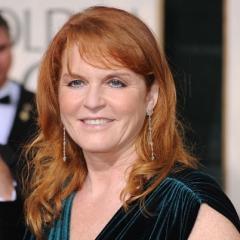
Sarah Ferguson
Sarah Ferguson is a British writer born on October 15, 1959. Her works span a variety of genres, including novels, biographies, and children's literature. Ferguson is known for her unique narrative style and in-depth character development. more
You May Also Like
Source: Victoria and Albert: A Family Life at Osborne House
“Even in my dreams I never imagined that I should find so much love on Earth.' (Prince Albert)”
Source: The Kindness Habit: Transforming our Relationship to Addictive Behaviours
Source: The Kindness Habit: Transforming our Relationship to Addictive Behaviours
Source: The Kindness Habit: Transforming our Relationship to Addictive Behaviours
Source: The Kindness Habit: Transforming our Relationship to Addictive Behaviours
Source: The Kindness Habit: Transforming our Relationship to Addictive Behaviours
Source: The Kindness Habit: Transforming our Relationship to Addictive Behaviours
“You don’t have to keep trying again and again to know it’s not working. Move on.”
Source: The Kindness Habit: Transforming our Relationship to Addictive Behaviours