“To live is to change, to acquire the words of a story, and that is the only celebration we mortals really know.”
Book:The Poisonwood Bible
“To live is to change, to acquire the words of a story, and that is the only celebration we mortals really know.”
Barbara Kingsolver's 'The Poisonwood Bible' is a narrative that unfolds in the Congo during the 1960s, focusing on the Price family and their experiences under the guidance of their father, a missionary. The story delves into the complexities of colonialism, the impact of religious beliefs on personal and societal levels, and the intricate dynamics within the family unit. The novel is told from the perspectives of the Price daughters, each offering a unique and emotionally charged account of their time in Africa. more
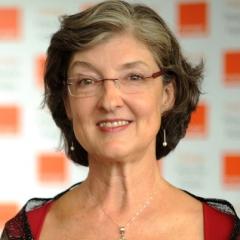
Barbara Kingsolver is an American novelist known for her insightful social commentary and rich literary imagination. Her works often explore themes of environmental protection, social justice, and women's issues, and have gained widespread popularity. Born on April 8, 1955, in Arkansas, USA, Kingsolver grew up in Arkansas and Mexico, and later earned a BA in literature from Amherst College and an MA in comparative literature from Columbia University. more
“„Timpul pe care îți face plăcere să îl pierzi nu e timp pierdut.”