“Another version of the “Prosperity Gospel” or “Name It and Claim It” teaching has to do with finding a verse in the Bible and then “claiming” that verse. Proponents of this thinking believe that God must fulfill his promise to us in whatever verse we are “claiming” because what God says in his Word, the Bible, is true, and we can trust it to be true. So someone might pray: God, your Word says in Isaiah that by your stripes we are healed and I know you are not a liar and that your Word is true and I claim that Scripture in Jesus’s name and therefore I will be healed of this stomachache! We need to have faith in what the Bible says, but we have to be careful that we aren’t trying to force God to do what we want. That is arrogance rather than humility.God loves us, but we cannot demand things of him as though our faith is in charge rather than God. If someone believes it is our faith that heals us and forgets that it is God who does it, we should ask that person how much faith Lazarus had. Remember, he was decomposing in a tomb when Jesus raised him from death. His faith obviously didn’t matter. It was all God. It is God and God’s grace that heals, not our prayers and not our “faith.” Though we are exhorted by God to pray to him, we cannot compel him to do what we wish.”
Quote by Eric Metaxas
Work
This book examines the concept of miracles from multiple perspectives, questioning what constitutes a miraculous event and exploring the circumstances under which such events might occur. The author investigates the psychological and spiritual dimensions of extraordinary experiences, considering how belief systems and personal expectations shape individual encounters with the seemingly impossible. Through careful analysis, the work suggests that understanding miracles requires examining both the external events themselves and the inner transformation that occurs when people witness or participate in moments that transcend ordinary explanation. The book encourages readers to consider how openness to wonder and mystery might enrich daily life, while maintaining a balanced approach that neither dismisses extraordinary claims nor accepts them uncritically. more
Author
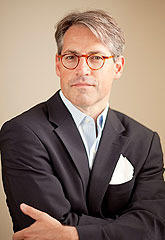
Eric Metaxas is an American author, radio host, and public speaker, born in 1963. He is recognized for his works in Christian apologetics and historical biographies, with several best-selling books to his name, including 'Bonhoeffer: Pastor, Martyr, Prophet, Spy' and 'If You Can Keep It: The Forgotten Promise of American Liberty'. Metaxas is also the host of the radio program 'The Eric Metaxas Show'. more
You May Also Like
“I will be a good wife," she thought, "that all the earth will know there is a God in Israel.”
“I much prefer not to fall, unless of course I am falling into the hands of God.”