Quotessence
Home / Quotes / Quote by Oscar Wilde

Quote by Oscar Wilde

Work

A Woman of No Importance

Set in the late 19th century, this novel delves into the lives of upper-class women, examining the societal expectations placed upon them and the personal struggles they face. The narrative is rich with intricate character development and insightful commentary on the role of women in society. more

Author
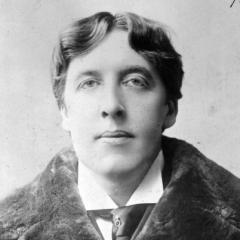
Oscar Wilde
Oscar Wilde

Oscar Wilde, born on October 16, 1854, in Ireland, and died on November 30, 1900, was a renowned Irish writer, playwright, and poet. His works are known for their wit, satire, and unique style, with notable works including 'The Picture of Dorian Gray' and 'Lady Windermere's Fan'. more

You May Also Like

“Her rage flopped awkwardly away like a duck. She felt as she had when her cold, fierce parents had at last grown sick and old, stick-boned and saggy, protected by infirmity the way cuteness protected a baby, or should, it should protect a baby, and she had been left with her rage--vestigial, girlhood rage--inappropriate and intact. She would hug her parents good-bye, the gentle, emptied sacks of them, and think Where did you go?”

“Nightmares did come true. Because, after her second night of major loving with the man of her dreams, the absolute last person she ever wanted to see was her mother. Yet there she was, her small, hefty frame trundling up the stairs to Maira’s front door. She was so frozen with horror, she couldn’t move until she heard the doorbell ring. Don’t answer it. Maybe she’ll go away. Well, that was just stupid.”

“The thing about old friends is not that they love you, but that they know you. They remember that disastrous New Year's Eve when you mixed White Russians and champagne, and how you wore that red maternity dress until everyone was sick of seeing the blaze of it in the office, and the uncomfortable couch in your first apartment and the smoky stove in your beach rental. They look at you and don't really think you look older because they've grown old along with you, and, like the faded paint in a beloved room, they're used to the look. And then one of them is gone, and you've lost a chunk of yourself. The stories of the terrorist attacks of 2001, the tsunami, the Japanese earthquake always used numbers, the deaths of thousands a measure of how great the disaster. Catastrophe is numerical. Loss is singular, one beloved at a time.”

“WHEN PARENTS GROW OLD. Let them grow old with the same love that they let you grow ... let them speak and tell repeated stories with the same patience and interest that they heard yours as a child ... let them overcome, like so many times when they let you win ... let them enjoy their friends just as they let you … let them enjoy the talks with their grandchildren, because they see you in them ... let them enjoy living among the objects that have accompanied them for a long time, because they suffer when they feel that you tear pieces of this life away ... let them be wrong, like so many times you have been wrong and they didn’t embarrass you by correcting you ... LET THEM LIVE and try to make them happy the last stretch of the path they have left to go; give them your hand, just like they gave you their hand when you started your path!”

“There weren't enough rosary beads in the world, nor numbers to count backward, when you left my room at night. It may be dangerous to be unfathered, exposed on the animal plain, but life unmothered is simply unlivable. I mean, why go on? I held a little funeral every time you left the room. I tried to smother myself with my pillow. I replayed home movies of our lost lives in my head. Then, eventually, I'd start to worry a scab or to scratch my dry legs or count my teeth with my tongue, taking some clinical half interest in my body, waiting for the night to pass. I withstood this agony for at least ten minutes before slipping out of bed to put my eye to the crack in the door. Because the wonderful thing about my bedroom was that it looked out on you.”