“I had no illusions about you,' he said. 'I knew you were silly and frivolous and empty-headed. But I loved you. I knew that your aims and ideals were vulgar and commonplace. But I loved you. I knew that you were second-rate. But I loved you. It's comic when I think how hard I tried to be amused by the things that amused you and how anxious I was to hide from you that I wasn't ignorant and vulgar and scandal-mongering and stupid. I knew how frightened you were of intelligence and I did everything I could to make you think me as big a fool as the rest of the men you knew. I knew that you'd only married me for convenience. I loved you so much, I didn't care. Most people, as far as I can see, when they're in love with someone and the love isn't returned feel that they have a grievance. They grow angry and bitter. I wasn't like that. I never expected you to love me, I didn't see any reason that you should. I never thought myself very lovable. I was thankful to be allowed to love you and I was enraptured when now and then I thought you were pleased with me or when I noticed in your eyes a gleam of good-humored affection. I tried not to bore you with my love; I knew I couldn't afford to do that and I was always on the lookout for the first sign that you were impatient with my affection. What most husbands expect as a right I was prepared to receive as a favor.”
Quote by W. Somerset Maugham
Work
The Painted Veil is a novel by W. Somerset Maugham, first published in 1925. It follows the story of Kitty Fane, a young and frivolous woman who marries a reserved bacteriologist, Walter, and moves with him to Hong Kong. After engaging in an affair, she is forced to accompany her husband to a remote Chinese village ravaged by a cholera epidemic. There, amid suffering and isolation, Kitty confronts her own flaws and undergoes a profound transformation, exploring themes of love, betrayal, redemption, and the search for meaning. The novel is known for its vivid portrayal of early 20th-century China and its psychological depth. more
Author
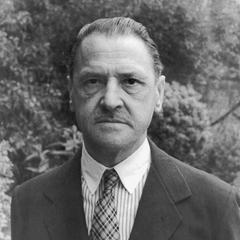
W. Somerset Maugham was a British playwright known for his sharp wit and insightful portrayal of human nature. Born on January 25, 1874, and passing away on December 16, 1965, Maugham's plays often delved into the complexities of human relationships and the social dynamics of his era. more
You May Also Like
“Happy be the reader plunged into her book who forgot the world and whom world forgot.”
“Kill your appetite and save for the future!”
“Whoever thought that pleasure makes you happy?”